Chance Mechanics Bringing Fresh Possibilities To Digital Games
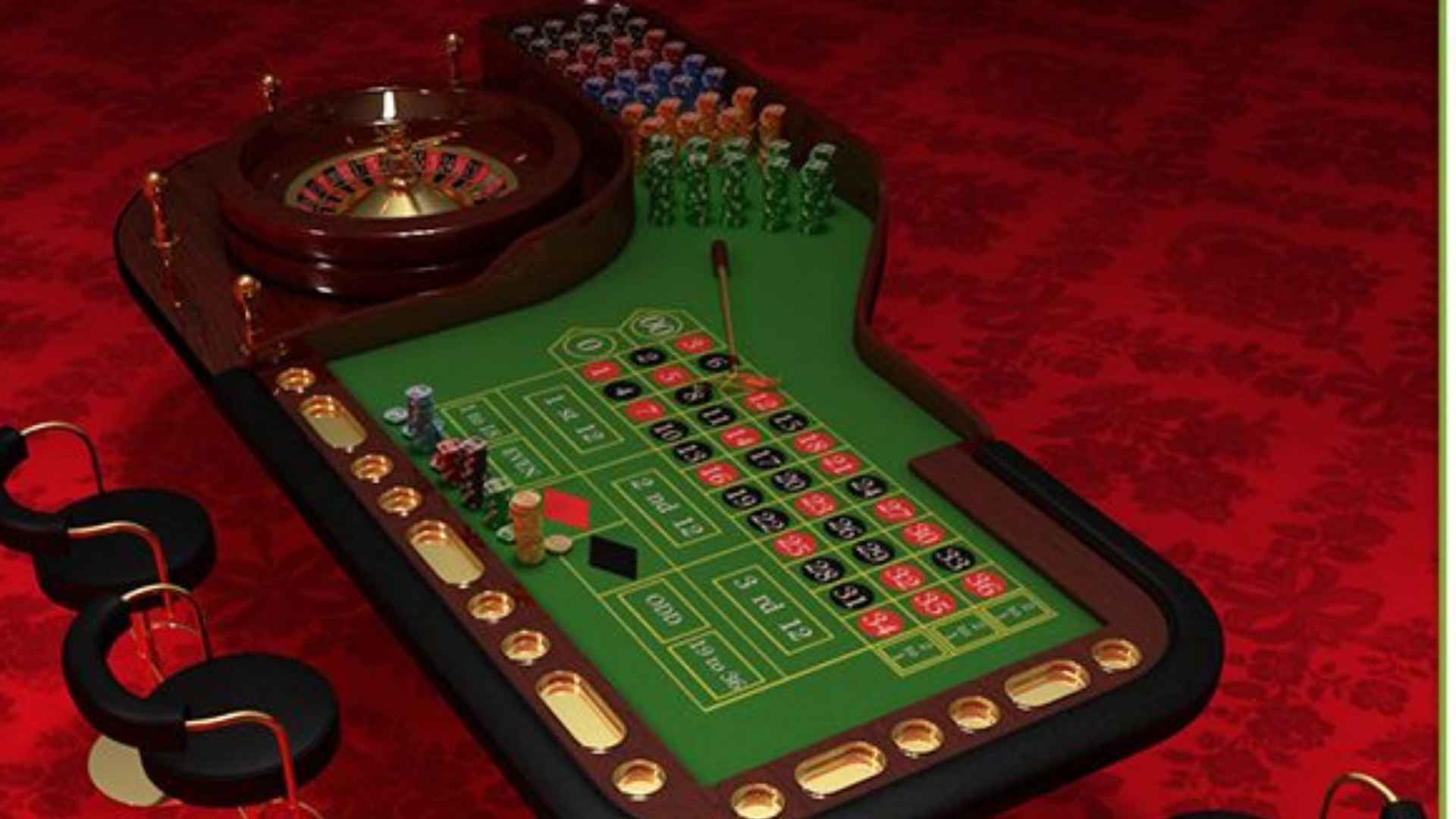
Modern game design thrives on unpredictable elements that break up linear routines and spark spontaneous decisions. By introducing chance mechanics into core gameplay loops, developers create dynamic environments where no two play sessions unfold in exactly the same way. This strategic integration of randomness allows interactive media to remain captivating for diverse player bases over extended periods.
The Role of Unpredictability in Player Decision Making
Uncertain outcomes force players to think adaptively rather than relying on memorized sequences. When faced with variable odds, individuals must evaluate risks and adjust their strategies in real time to secure favorable results. This continuous evaluation keeps mental focus sharp and elevates standard gameplay into an evolving tactical challenge.
Furthermore, unpredictable elements enhance long-term interest by continuously offering novel scenarios. Players learn to embrace surprise as an integral part of the experience, which prevents repetitive actions from becoming tedious. As a result, chance-based systems remain one of the most effective tools for sustaining active engagement across various gaming genres.
Enhancing Replay Value Through Dynamic Systems
Replayability relies heavily on a game's capacity to deliver distinct experiences during repeated playthroughs. Procedurally generated encounters, randomized item distributions, and variable victory conditions ensure that familiar environments feel fresh upon every return. These systems encourage players to explore different character builds and alternative paths to success.
By preventing predictable outcomes, developers build virtual worlds that reward experimentation and resilience. Gamers seeking direct access to interactive entertainment platforms often utilize options like the m88 slot login to explore feature-rich digital titles. Such systems demonstrate how dynamic probability models continue to shape contemporary software design.
Designing Balanced Probability Cues for Fair Play
Integrating random chance requires careful balance to ensure that games feel rewarding rather than purely arbitrary. Experienced designers implement underlying safeguards, such as threshold guarantees or transparent odds disclosures, to protect player effort. This structured approach prevents sudden strings of bad luck from causing undue friction or dissatisfaction.
When randomness complements skill rather than replacing it, players feel a authentic sense of accomplishment upon overcoming difficult obstacles. The thrill of an unexpected advantage is heightened when it builds upon solid foundational gameplay. Achieving this equilibrium is essential for creating sustainable, trustworthy gaming environments.
The Future of Randomized Experience Architecture
Emerging technology is enabling more sophisticated implementations of probability in interactive software. Machine learning models and adaptive algorithms can now tailor random events to align with individual play styles without sacrificing balance. This high level of customization guarantees that surprise mechanics remain tailored and meaningful for every user.
As digital entertainment continues to evolve, chance mechanics will remain central to creating immersive, responsive experiences. By blending structural fairness with spontaneous elements, developers can construct deeper worlds that encourage lifelong exploration. The ongoing innovation in this space promises even greater variety for future generations of gamers.